Automation tools have totally reshaped online marketing over the past few years. By 2026, businesses large and small are relying on smart platforms to handle everything from email to ad campaigns, freeing up more time for creative work and deeper strategy. As someone who spends a lot of time testing and using these tools, I’ve seen firsthand just how big of a leap they offer anyone looking to step up their marketing game. In this article, I’m unpacking the three most popular automation tools worldwide and explaining how they’re helping shape online marketing for 2026.
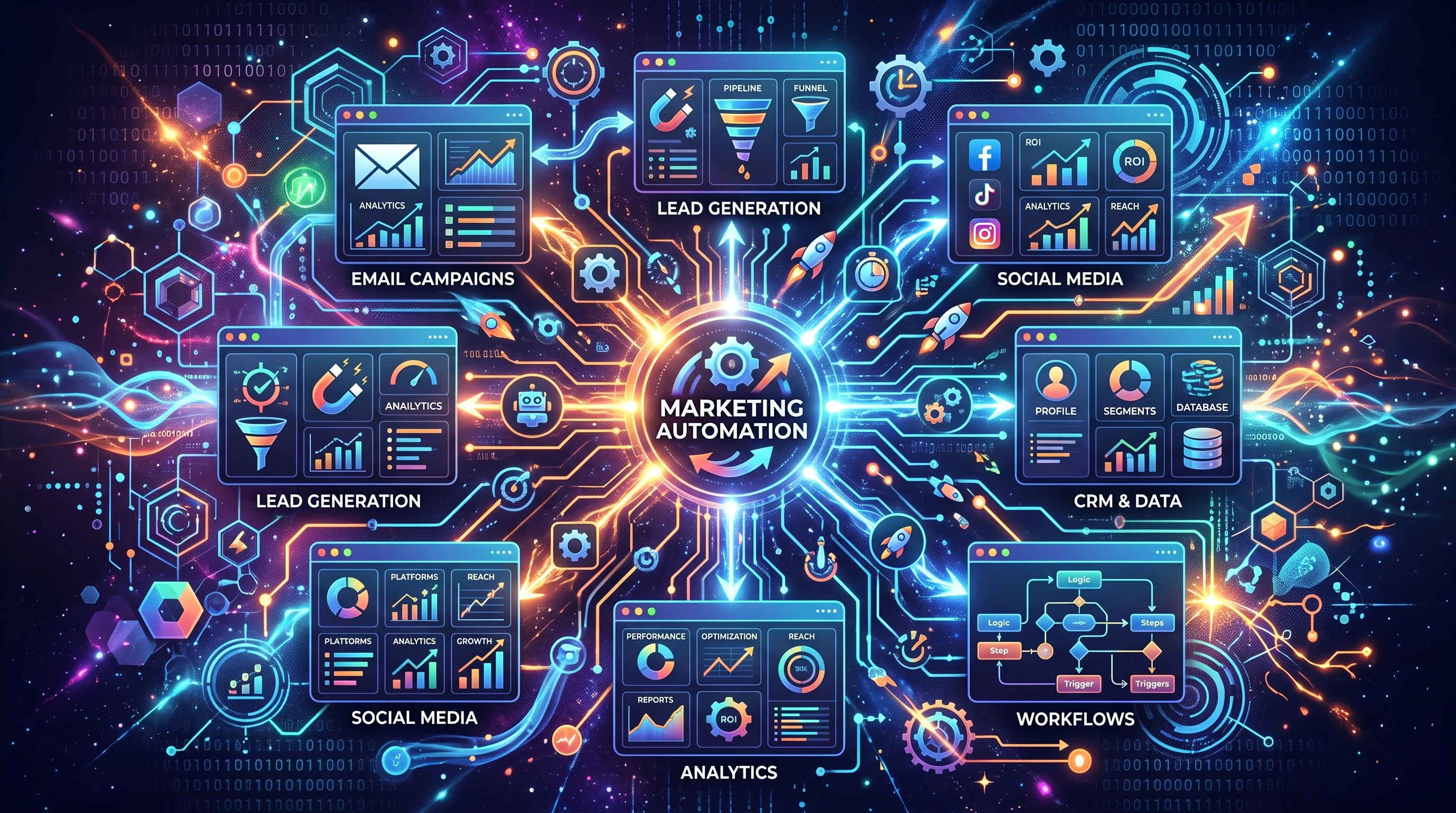
The Big Picture: Why Automation Tools Matter for Marketers
Marketing automation isn’t about replacing human touch. Instead, it’s about cranking up what marketers can get done and reaching customers with more relevant messages. According to a 2024 MarketsandMarkets report, the global marketing automation market is projected to be worth over $7.6 billion by 2026, climbing from $4.5 billion in 2021. This growth mirrors the explosion of online data, the rise of AI, and the sprint to personalize every customer’s experience.
With endless platforms out there, the top automation tools stand out for their reliability, integrations, and how much real ROI they deliver. Data from HubSpot’s annual survey found that marketers using automation tools see a 30% average increase in lead generation and a 25% bump in conversion rates. That kind of return means automation is much more than just a “nice-to-have;” it’s fast becoming the backbone of successful marketing campaigns.
Top 3 Most Popular Automation Tools for Online Marketing in 2026
I’ve tried dozens of platforms, and these three tools have kept their spot at the top based on global usage, impact, and user reviews as reported by G2, Gartner, and Capterra.
1. HubSpot: The AllinOne Marketing Hub
HubSpot’s platform has become a goto for teams who want everything in one place, from email and CRM to content management, ads, and customer service. It connects all stages of the marketing funnel, which makes gathering actionable insights and automating complex workflows much simpler.
Main Features:
- Visual Workflow Builder: Lets you drag and drop automation rules for emails, lead tracking, and segmentation.
- Smart Personalization: Uses AI to personalize email content and timing based on user behavior.
- Analytics Dashboard: Tracks campaign performance across channels so marketers can double down on what’s working.
How It Helps in 2026: HubSpot’s investment in AI means businesses now get smarter lead scoring and predictive customer insights. In a world with tighter privacy rules, its solid consent management features help keep campaigns compliant and trustworthy. According to Statista, HubSpot held 32% of global market share for marketing automation software by early 2026, outpacing competitors by combining great usability with serious power.
2. ActiveCampaign: Customer Experience Automation
ActiveCampaign stands out with advanced email marketing automation, smart CRM features, and solid integrations with ecommerce. It’s particularly popular among ecommerce brands, SaaS companies, and agencies wanting to create more personal experiences without mountains of manual work.
Main Features:
- Automated Email Sequences: Sends the right email at the right time. Think welcome series, cart recovery, and reengagement campaigns.
- Site Tracking: Watches site visits and actions so you can react instantly when customers are interested or might drop off.
- Sales Automation: Moves deals along the pipeline automatically, giving sales teams a nudge when it’s time to step in.
How It Helps in 2026: Personalization has become huge for brands, and ActiveCampaign takes it up a notch with predictive sending and dynamic content. Brands can now build campaigns that feel like oneonone conversations, even when reaching thousands. ActiveCampaign’s 2025 yearend data showed a 97% customer retention rate and managed over 150 billion automated customer experiences in a year. Their scale makes them tops for companies wanting to blend sales and marketing automation for better results.
3. Zapier: The Automation Connector
Zapier stands out as the ultimate connector, helping marketers link thousands of apps and automate workflows without a single line of code. While Zapier isn’t just for marketing, it anchors a ton of marketing automation stacks worldwide.
Main Features:
- NoCode Workflow Automation: Automates repetitive tasks like moving leads from landing pages to your CRM, posting on social media, or syncing data across platforms.
- Advanced Triggers: Lets users build powerful chains of actions, so multiple systems talk to each other behind the scenes.
- Integration Library: By 2026, it works with over 6,000 apps, making it hard to find a tool it doesn’t connect with.
How It Helps in 2026: With so many marketing tools in play, Zapier saves teams tons of manual labor and keeps data flowing between platforms. G2’s Winter 2026 report showed Zapier as the toprated connector for six years, and usage stats highlight over 3 million marketers depend on it daily for things like lead tracking and posting updates to social media.
How Automation Tools Are Supercharging Online Marketing
The most popular automation platforms do more than just save time. Here’s how they’re boosting online marketing in 2026:
- Better Personalization: Automation lets marketers tailor messages for each user, leading to higher engagement. McKinsey’s 2025 research shows a 21% higher conversion rate for brands using advanced personalization tools.
- Smoother Lead Nurturing: Automated followups and drip campaigns guide customers through the funnel and shorten sales cycles. Salesforce’s State of Marketing report found that 67% of highgrowth companies use automation for lead management.
- Stronger Data Insights: These tools track customer behavior across channels, making it easy to spot trends and support better decisions. More visibility means more effective campaigns and better ROI.
One extra benefit becoming more popular by 2026 is using automation tools for multichannel campaigns. Marketers now easily build coordinated email, SMS, push, and social campaigns from a single dashboard, making customer touchpoints seamless.
Practical Tips for Getting Started with Marketing Automation
Using these tools is easier than ever, but a bit of prep goes a long way. Here are a few lessons I’ve learned from helping businesses get rolling with automation:
- Start Simple: Set up automation for quick wins like welcome emails or form confirmations before tackling more advanced workflows.
- Keep Data Manageable: Organize your contacts, clear out old lists, and make sure integrations only bring in what you need.
- Test Regularly: Run A/B tests on your workflows, check analytics, and be willing to adjust based on what works best.
- Invest in Knowledge: Jump into webinars, support libraries, and user forums. Most big tools, like HubSpot Academy, offer free tutorials and certifications that pay off quickly.
Adapting as platforms change helps marketers milk the most value from automation as it evolves over time.
Stuff Worth Considering Before Committing to an Automation Tool
Before you go in, here are a few key things to weigh:
- Integration Compatibility: Make sure the tool works smoothly with your website, CRM, and ad platforms. Struggling with poor integrations can zap your momentum.
- Pricing Model: Each platform does pricing a bit differently (like per contact, email, or user), so figure out what matches your needs and future growth plans.
- Support and Community: Having a strong user community, up-to-date tutorials, and responsive customer service can save the day.
- Compliance Features: Privacy rules like GDPR and CCPA are here to stay. Make sure your tool has options for unsubscribes, consent, and data protections built in.
Integration Compatibility
Choosing a tool that matches your stack saves hours down the line. Always ask vendors about integrations and browse user reviews to spot any red flags.
Pricing Model
If you aren’t careful, costs can escalate with limits on emails, workflows, or users. Most businesses prefer packages bundling essentials, but go through the fine print carefully.
Support and Community
Strong forums and user groups often help you solve problems a lot quicker than official support. HubSpot’s community, for example, answered my segmentation question in under an hour—much faster than the formal ticket system.
Compliance Features
Building trust is key to online marketing. Look for tools with updated compliance certifications, easy privacy features, and straightforward access to audit logs.
Also worth checking is whether the platform provides regular compliance updates as regulations keep changing. The ability to quickly update consent forms or privacy notices can save you from future legal headaches.
Frequently Asked Questions About Automation Tools
Below are common questions people ask me about picking a platform, along with direct, straightforward answers.
Question: What’s the best way to choose an automation tool?
Answer: List out your “musthave” integrations, check every pricing tier, and grab a free trial. See how each tool fits your typical workflow daytoday before you decide.
Question: How do automation tools improve online marketing performance?
Answer: They take care of monotonous tasks, personalize in realtime, and give you sharper insights into customer behavior. This helps you grow faster and more efficiently.
Question: Can automation tools replace my marketing team?
Answer: Automation handles routine work, but people are still critical for strategy, creativity, and building relationships. The best results come when both work together.
Wrapping Up
Getting started with automation can totally change the game for your online marketing in 2026. With platforms like HubSpot, ActiveCampaign, and Zapier, marketers find it easier to connect with audiences, save hours, and build their businesses with confidence. The right tool depends on your needs and style, but making a careful choice now means your campaigns will shine as your business scales. If you’re ready to dig into automation tools, grab some demos and see which one helps you level up your marketing—your future self will thank you.