Artificial intelligence is shaking up marketing automation in ways I didn’t think possible just a few years ago. From stepping up personalization to helping businesses spot customer behavior patterns, AI powered tools are now everywhere in digital marketing. Whether you’re managing a small ecommerce store or running big campaigns for a brand, AI tools can help you work smarter (not harder) and deliver better results.
How AI Makes Marketing Automation Smarter
AI shines when it comes to analyzing mountains of data, spotting patterns, and helping businesses make decisions faster. The best part for marketers: AI automation can personalize content, optimize ad spending, and even handle repetitive tasks like email segmentation and campaign scheduling. This frees up more time to work on big picture strategy instead of just ticking off routine tasks.
- Data Analysis at Scale: AI sorts through tons of numbers and customer information in seconds. It recommends which content to show, when to send an email, or which ad to boost for more clicks.
- Predictive Insights: Instead of guessing what will work, AI uses past results to predict what customers want to see next or who is likely to buy again.
- Automation of Repetitive Tasks: AI automatically groups contacts, triggers emails, and personalizes subject lines or copy, saving hours every week.
Another benefit of AI in marketing is the ability to respond to trends almost instantly. As data comes in, AI can switch up campaign strategies or highlight products gaining traction, letting you seize new opportunities before your competitors do. For example, if a product starts getting more clicks, AI can adjust your ads on-the-fly, put that product front and center on your site, or send targeted emails to customers who are most interested. This rapid reaction can drive higher sales and create more loyal customers.
Popular AI Trends in Marketing Automation Right Now
So, what AI trends are really making a difference in marketing automation? Here are a few that are popping up everywhere and changing how brands approach marketing:
- Hyperpersonalized Messaging: AI tools customize emails and website content for each person, down to the product they’re most likely to add to their cart or a headline that matches their interests.
- AI Powered Chatbots: These bots answer customer questions, suggest products, and handle support. The instant responses improve customer satisfaction and free up human agents for more complex issues.
- Smart Ad Targeting: AI tracks user behavior and automatically tweaks ad spend across different platforms. If you’ve ever noticed Facebook or Google Ads following you with products you browsed but didn’t buy, that’s AI at work.
- Content Generation Tools: Platforms like Jasper or ChatGPT help marketers write product descriptions, ad copy, and blog articles quickly with AI suggestions. This is perfect for busy teams who need to scale up content production.
- Dynamic Email Journeys: Even after someone has joined an email list, AI watches what they interact with and switches up messaging based on their actions. If a subscriber opens every newsletter but never clicks a link, AI can start showing more engaging offers or try a different approach.
In addition to these trends, AI is now making its mark in social media. By analyzing which posts get the most engagement or which hashtags get noticed, AI can put together a game plan for creating posts that connect with your followers. These tools can even suggest the best times to post or automatically schedule content, making it easy to keep your brand fresh and consistent online.
How to Bring AI Marketing Automation Into Your Workflow
Bringing AI into your daily marketing routine doesn’t mean you need a degree in computer science. It starts by picking the right tools, looking at where they fit best, and making sure you’re measuring real results.
- Start Simple: Pick one area, like email campaigns or social media ads, and test out an AI powered tool. Many offer free trials or demos so you can see the ROI upfront.
- Combine Tools: AI platforms often integrate with CRMs, ecommerce systems, and analytics dashboards. Connecting these keeps your data in sync and your campaigns consistent.
- Keep a Human Touch: Even the smartest tool needs oversight. Check generated content for accuracy, and don’t be afraid to tweak automated messages or offers to match your brand’s style.
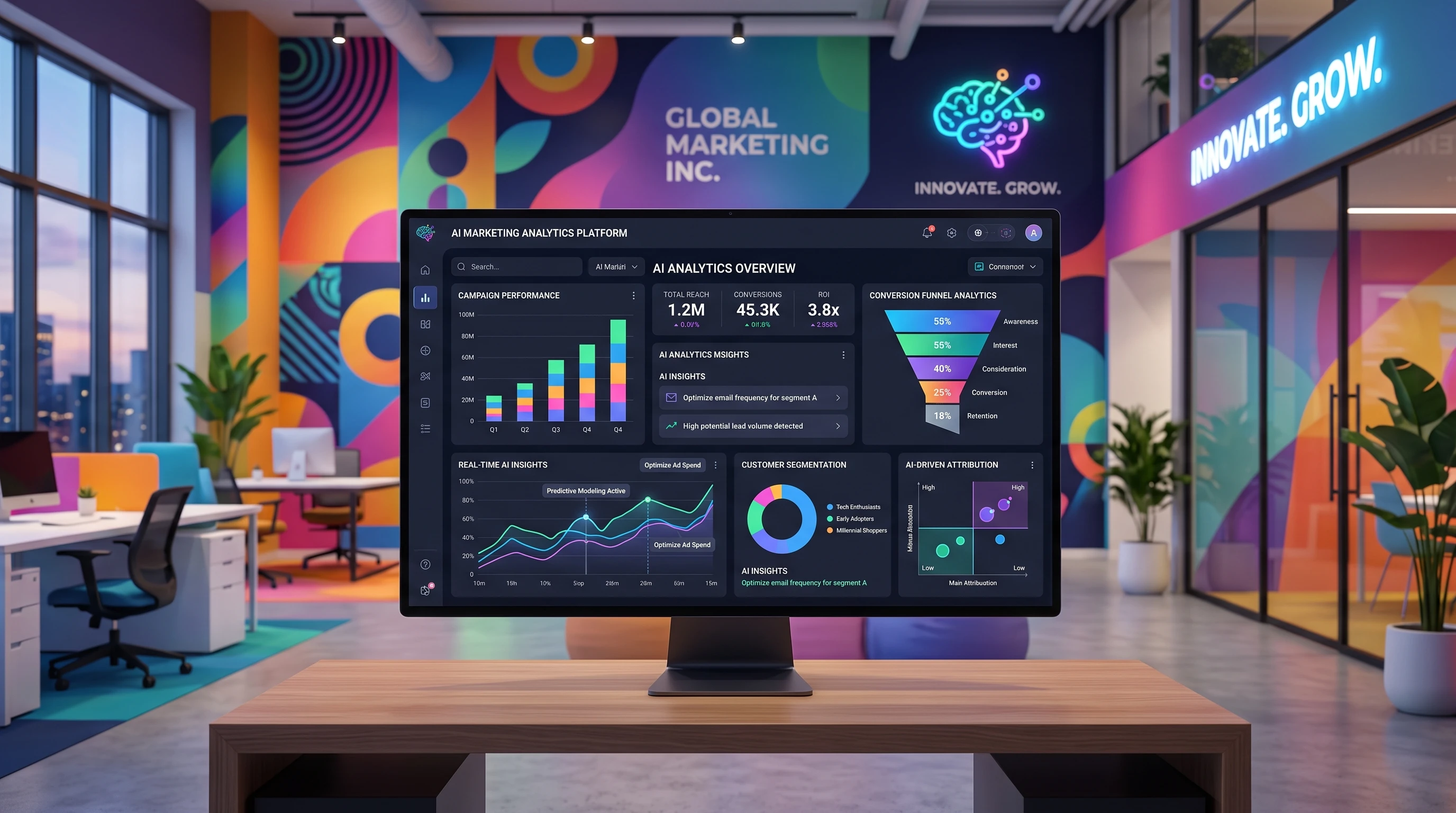
For teams running multiple marketing channels, AI can make it easy to bring together results from email, ads, and your website into a single dashboard. This gives you a clear picture of what’s working and where to focus your efforts. And by adding AI into your existing workflow little by little, you can avoid overwhelm and make steady progress.
Brands that tap into AI for things like email marketing, ad targeting, and even customer service tend to see higher open and click rates, better conversions, and a more engaged list. If you’re interested in learning more about the best AI automation software for marketing, check out reviews on trusted sites like G2 or Capterra.
Getting Ahead in AI Driven Marketing
AI in marketing automation is spreading fast, and the tools get smarter every year. Staying sharp and keeping up with new AI trends, even at a basic level, can help you make your campaigns more effective and create better customer experiences. Playing with AI features built into your current marketing platforms, or trying a dedicated AI tool or plugin, might show you what’s possible before your competitors catch up.
Your ideas and stories matter. If you’ve tried AI in your own marketing and have wins, frustrations, or discoveries to share, drop a comment below. Your feedback helps everyone learn something new.